Peter Weir, the acclaimed Australian director, is known for films that place individuals within highly controlled social worlds and trace their attempts to break free from them. Dead Poets Society (1989) and The Truman Show (1998), though very different in setting and tone, both films centre on characters who awaken to the limitations of the systems surrounding them. In Dead Poets Society, this conflict emerges within the rigid traditions of an elite boys’ school, the Welton Academy, while in The Truman Show, it is transformed into a satirical, media-driven struggle between personal freedom and manufactured reality. This essay argues that The Truman Show represents both continuity and change in how Peter Weir expresses his directorial vision: while it continues his longstanding exploration of themes such as conformity, individuality, and self-realisation, it introduces significant shifts in visual style, narrative method, and industrial context.
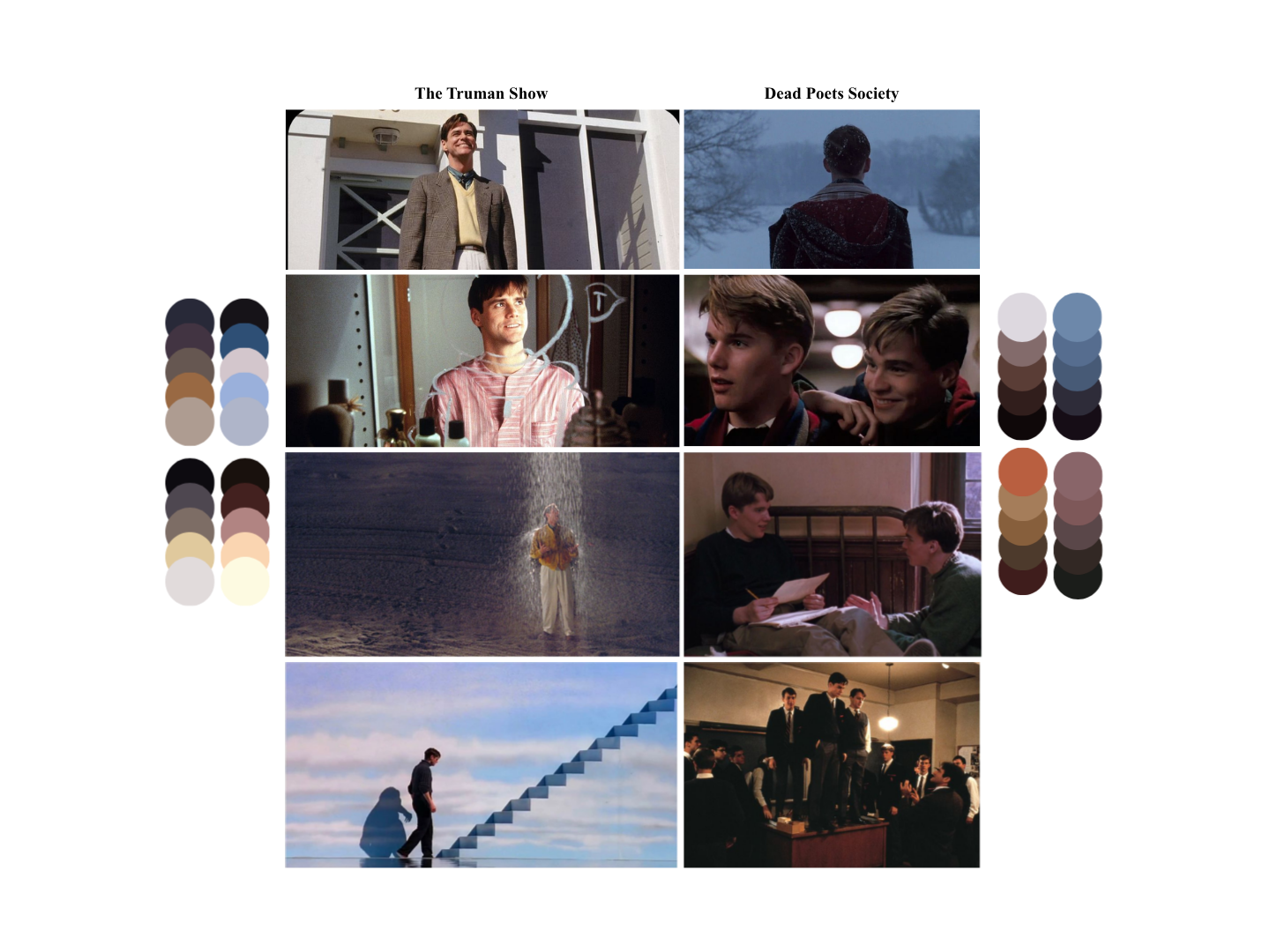
In both The Truman Show and Dead Poets Society, Weir utilises the contrast between warm and cool colour palettes as a means of articulating the emotional interiority of his characters. Yet while The Truman Show is suffused with warm tones that construct an illusion of comfort and stability, Dead Poets Society is marked by a cooler visual palette that reinforces the film’s underlying atmosphere of melancholy and emotional constraint.
In terms of the cinematography of the two films. The cinematography of The Truman Show is closely aligned with its premise as a constructed reality show, incorporating camera-like movements such as frequent zooms and tracking shots that mimic the logic of live broadcast and surveillance. The camera often adopts positions that resemble hidden or observational viewpoints, reinforcing the idea that Truman’s life is constantly being recorded and controlled by the director, Christof. In contrast, Dead Poets Society employs a more intimate and character-focused cinematographic style. The film relies heavily on close-ups and mid-shots to capture subtle emotional nuances and reactions, drawing the audience into the internal experiences of the characters.
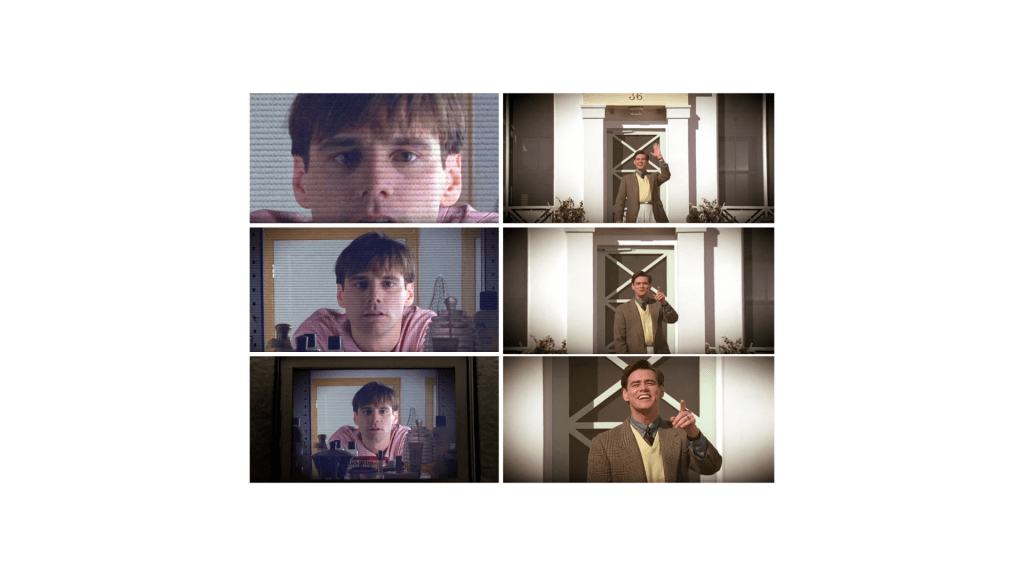
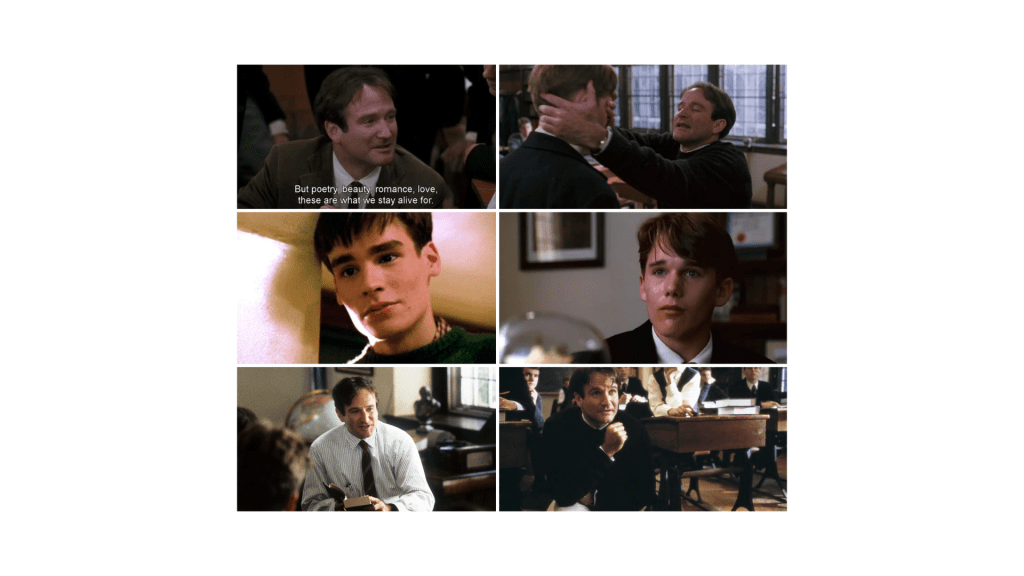
At the same time, both films make use of close-ups and occasional extreme close-ups to emphasise significant details and symbolic objects. In Dead Poets Society, close-ups of props such as books, photographs, and Neil’s crown serve to highlight themes of individuality and aspiration. Similarly, in The Truman Show, the camera frequently zooms in on Truman’s collage of Sylvia’s photographs, visually reinforcing his longing and his desire to find her. Through these differing uses of cinematography, Peter Weir demonstrates both continuity in thematic focus and variation in visual strategy.
While both The Truman Show and Dead Poets Society adopt a largely linear and classical narrative structure centred on a process of character awakening, they differ significantly in narrative perspective, construction, and resolution. In Dead Poets Society, the narrative unfolds in a straightforward and immersive manner, with little structural fragmentation. The audience experiences events alongside the students, gradually witnessing their growing awareness of the constraints imposed by authority, tradition, and parental expectation. This intimate perspective fosters emotional identification, particularly through characters such as Neil and Todd, whose struggles are presented from within the system they inhabit. By contrast, The Truman Show introduces a more complex, dual-narrative that alternates between Truman’s world and the real world: Christof and the audience of the show. This structure creates a sustained sense of dramatic irony, as Truman is the only one who does not know he is living in a constructed world.
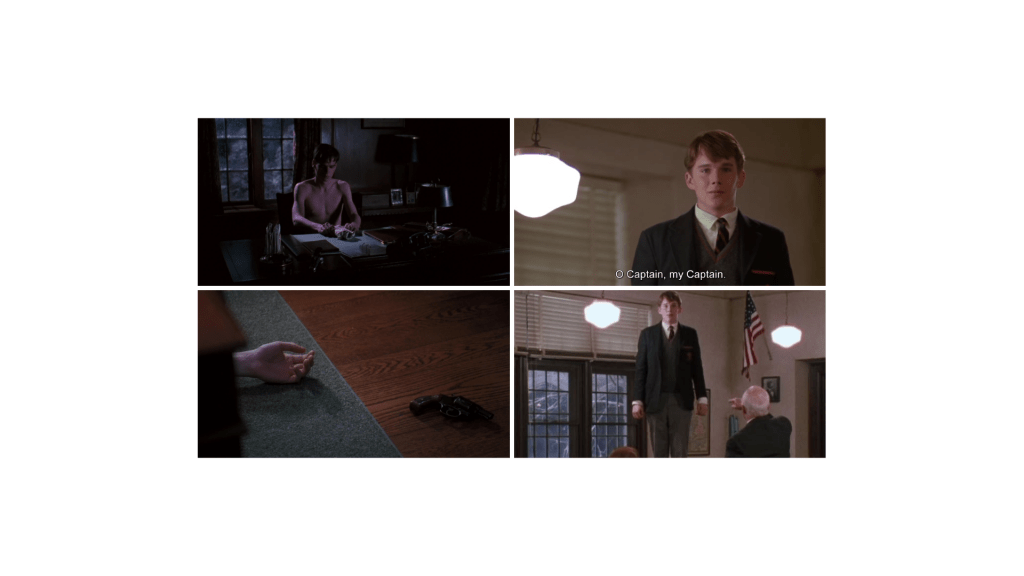
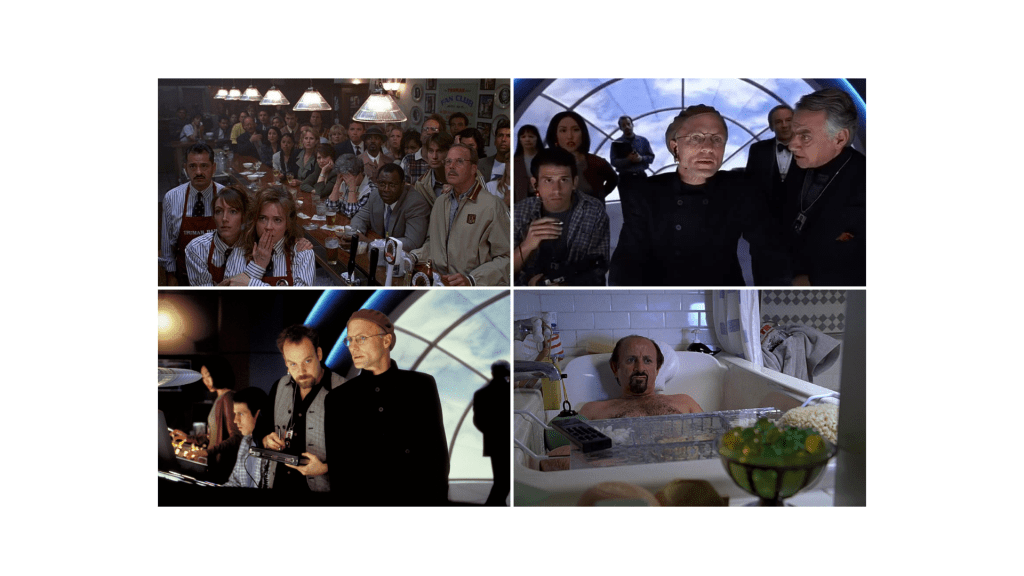
Although both films explore the conflict between individuality and conformity, they diverge in the scale and philosophical implications of this struggle. In Dead Poets Society, the conflict remains grounded in a recognisable social context, where institutional discipline and familial pressure restrict personal expression. The characters’ awakening, while emotionally powerful, ultimately leads to tragedy, as their resistance cannot fully overcome the structures that confine them. In The Truman Show, however, the conflict expands into a more abstract and ethical dimension, raising questions about the legitimacy of a constructed reality that prioritises comfort over genuine freedom. Truman’s gradual realisation and later escape mark a decisive break from the system itself. Through this shift in narrative construction and resolution, Peter Weir reconfigures a familiar theme of self-realisation into a more self-conscious and conceptually mediated form, while maintaining continuity in his broader thematic concerns.
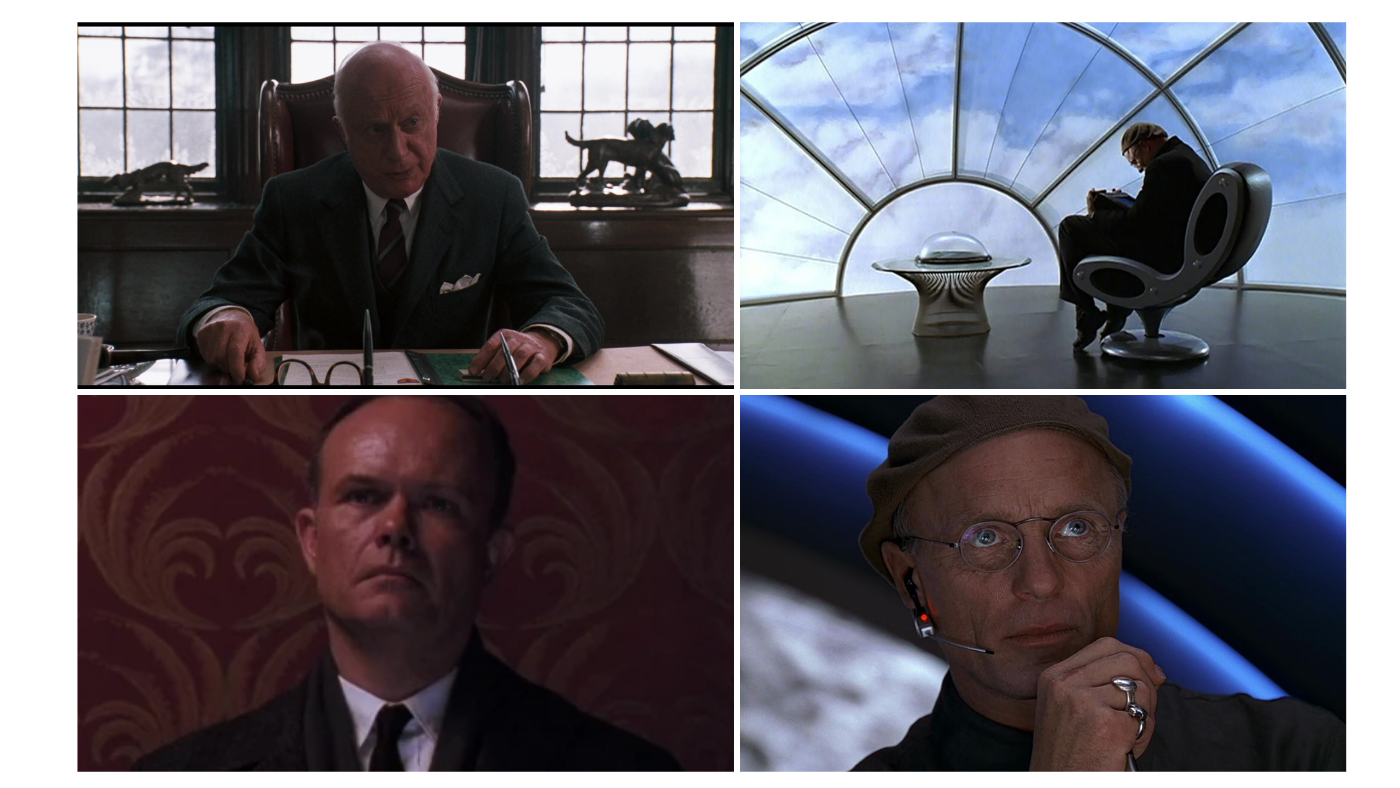
The contrast in budget and industrial context directly shapes each film’s scale and narrative ambition. Late 1980s Hollywood was dominated by mid-budget, character-driven films that focused on emotional realism and dialogue rather than spectacle. Furthermore, Dead Poets Society reflects broader social shifts in the late 1980s, particularly a growing emphasis on individual expression and a questioning of traditional authority within institutions such as education in American society. In the 1980s film industry, CGI was not yet widely used, and filmmakers tended to rely on naturalistic cinematography, often due to limited production budgets. For instance, Dead Poets Society had a budget of approximately $16 million, whereas The Truman Show had a budget of around $60 million. As a result, Dead Poets Society is set in relatively limited locations and places a strong emphasis on performance rather than technological effects.
However, the production context of The Truman Show differs significantly, reflecting the rise of high-concept cinema and media-driven narratives in the late 1990s. The film not only focuses on Truman’s pursuit of freedom, but also functions as a satire of mass media and consumer culture. Moreover, as budgets and technology increased, the film was able to utilise controlled sets and more complex production design, allowing for a broader conceptual scope.
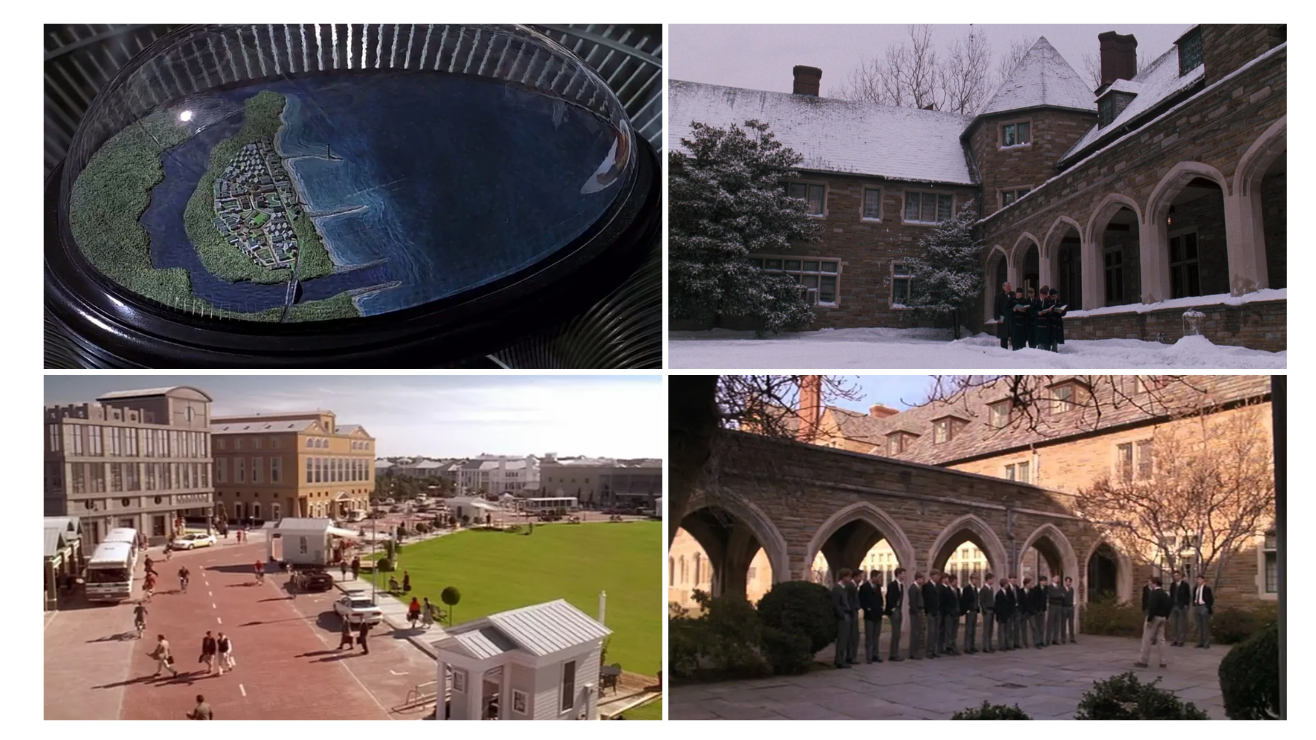
In conclusion, The Truman Show should not be understood as a departure from Dead Poets Society, but as a reconfiguration of Peter Weir’s established directorial styles within a new cinematic framework. While both films explore individuality, conformity, and self-realisation, they differ in the methods of expression. While Dead Poets Society archives its impact through emotional intimacy and character-driven narrative, The Truman Show adopts a more self-conscious narrative structure, stylised visual design, and expanded industrial scale to present a sense of absurdity. Yet, these differences do not indicate a progression in artistic maturity, but rather demonstrate Weir’s ability to adapt his vision to changing cinematic contexts. Ultimately, The Truman Show represents a transformation in form, reflecting both continuity in theme and evolution in expression within Weir’s body of work.
 Eileen's World
Leave a comment